
Alles over de geschiedenis van de kaasmarkt
De Kaas
In 1395 stelde het stadsbestuur van Gouda gedetailleerde richtlijnen op voor de organisatie van de markten in de stad. De botermarkt bevond zich ten oosten van het stadhuis, terwijl de veemarkt ten westen werd gehouden. Al in het begin van de 15e eeuw zouden er in Gouda meerdere vee- en kaasmarkten hebben bestaan.
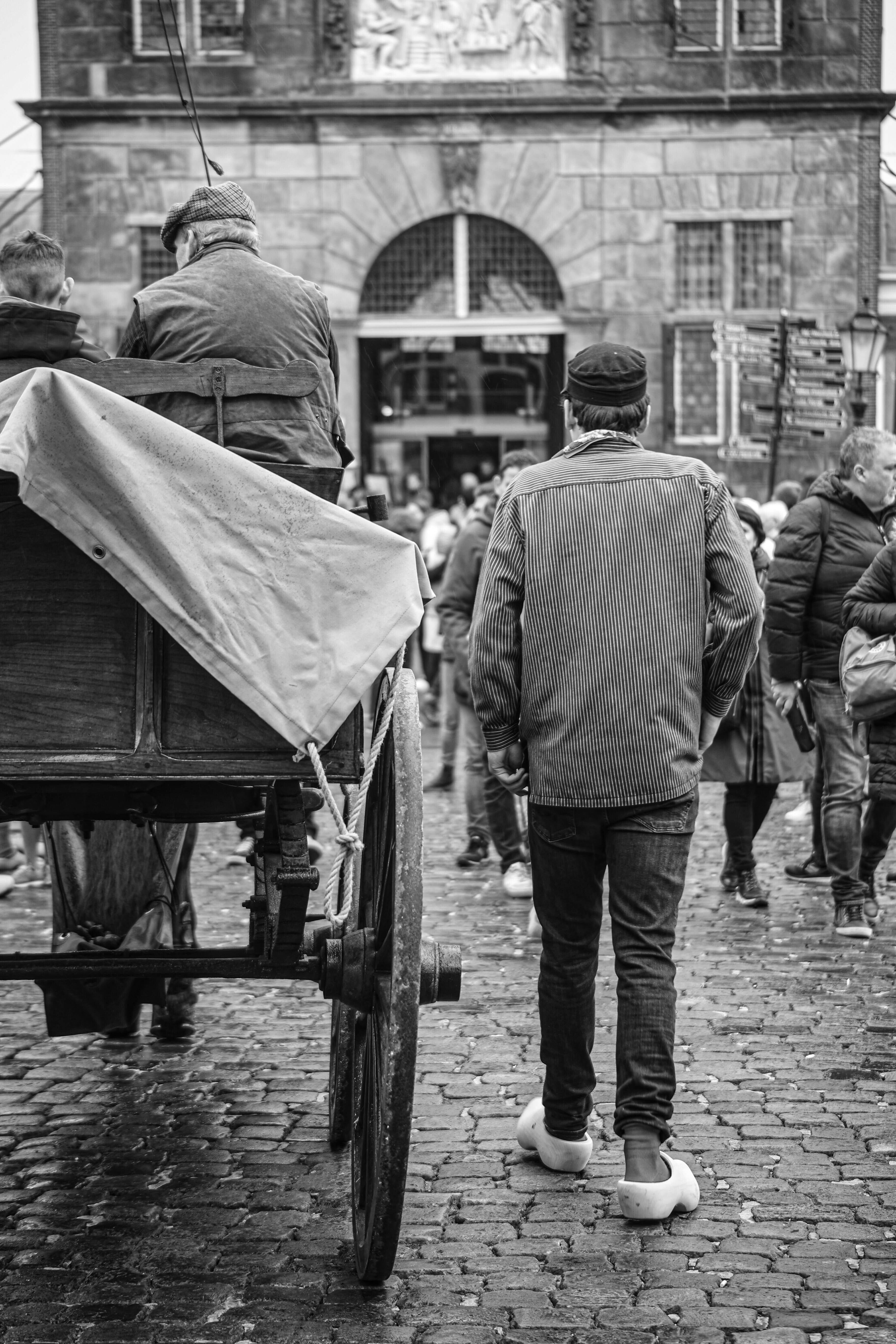
In een groot gebied rondom Gouda was de melkveehouderij de belangrijkste bron van inkomsten. Dit kwam vooral door de veengrond, die andere vormen van landbouw beperkte. Hierdoor ontwikkelde Gouda zich tot het centrum van een uitgestrekt veeteeltgebied. Jaarlijks werden er vele duizenden kilo’s zuivelproducten (en vee) verhandeld op de Goudse markten.
In combinatie met de gunstige handelsligging van Gouda langs de rivieren de IJssel en de Gouwe, als doorvoerhaven tussen Rotterdam en Amsterdam, groeide de stad al snel uit tot een regionaal handelscentrum, ook voor zuivelproducten. Dit is vandaag de dag nog zichtbaar in de historische kaaspakhuizen die bewaard zijn gebleven. Goudse kaas werd beroemd vanwege de lange houdbaarheid en uitstekende smaak. Ook nu nog zijn er kaasp boerderijen te vinden in de directe omgeving van Gouda. Gelukkig maar, want die sluiten perfect aan bij de huidige vraag naar eerlijke en authentieke producten.
Tot in de 16e eeuw stond Goudse kaas nog bekend als “Stolkse” of “Stolwijkse” kaas, vernoemd naar het nabijgelegen dorp Stolwijk. In 1412 werd de kaasmarkt van Stolwijk verplaatst naar Schoonhoven. Pas rond 1500 laten bronnen duidelijk zien dat de kaashandel zich steeds meer in Gouda concentreerde. Een langdurig conflict met Schoonhoven over de kaasmarkt werd uiteindelijk rond 1540 in het voordeel van Gouda beslecht.
Enkele jaren later, in 1549, werd Goudse kaas al geëxporteerd naar de markt in Antwerpen, waar het in de 16e eeuw een dominante positie innam.
Het Waaggebouw
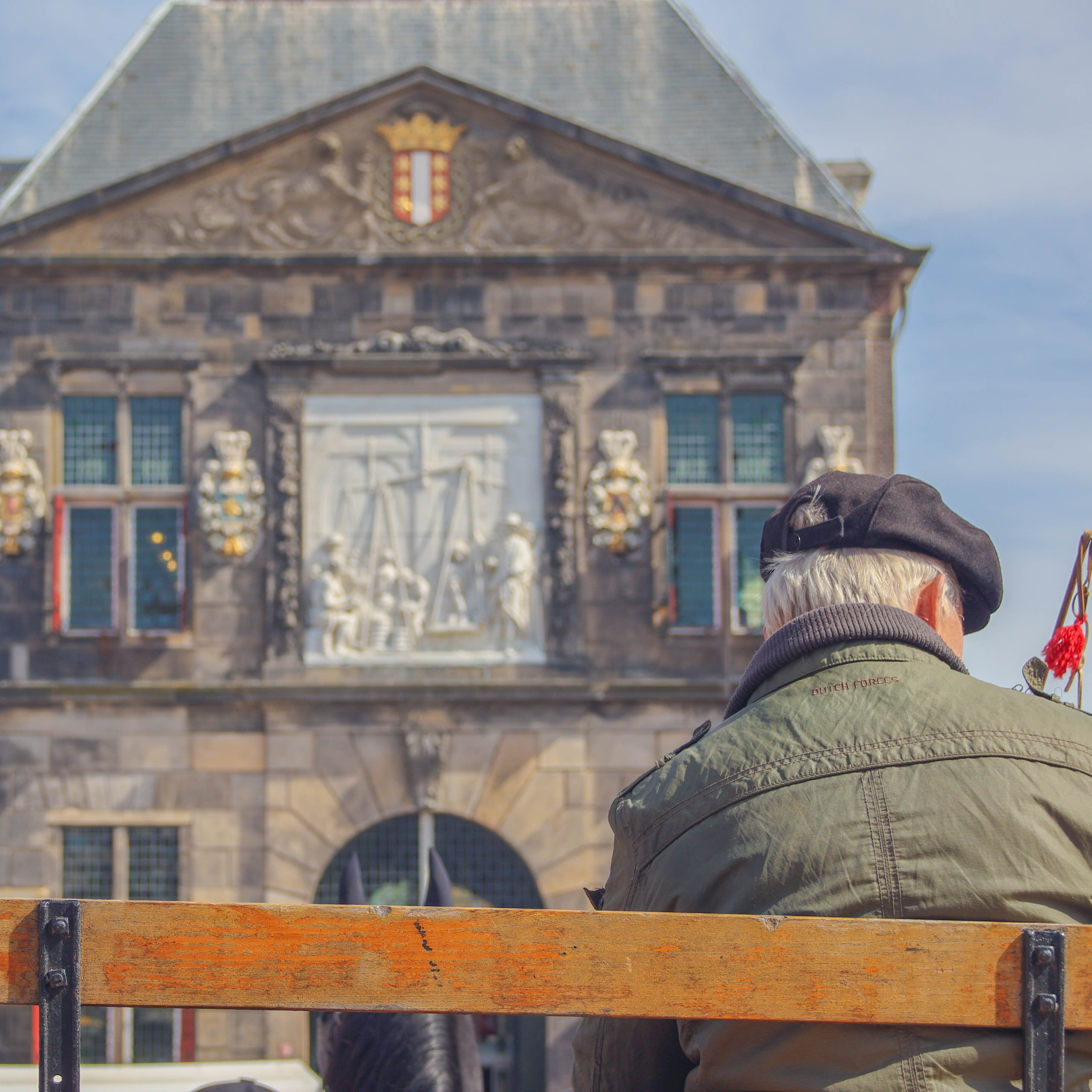
De huidige Waag dateert uit 1668 en is ontworpen door architect Pieter Post, die ook de Waag in Leiden en het stadhuis van Maastricht ontwierp.
Dit statige stenen gebouw verving een eerdere houten constructie en weerspiegelde beter het belang en de status van Gouda als echte kaasstad.
Sinds 1611 had de zuivelhandel ook een gebouw aan de Markt. De voormalige Grote School, op de plek waar nu het prachtige Arti Legi-gebouw staat, werd toen omgebouwd tot het Boterhuis. Dit handelshuis voor boter, kaas en andere zuivelproducten kreeg in 1616 een nieuwe gevel. Het Boterhuis diende ook als opslagplaats voor graan en kaasmanden. In 1853 werd de botermarkt verplaatst naar het stadhuis op de Markt. Zowel de kaas- als de botermarkt behielden hun sterke positie gedurende de 19e eeuw. Wie door de stad liep, kon vaak de geur van kaas ruiken, afkomstig uit een van de vele kaaspakhuizen.
Tot aan de Tweede Wereldoorlog waren de straten en de Markt op marktdagen gevuld met boeren en handelaren, maar ook met boerinnen die meegingen om inkopen te doen in de stad of bij de marktkramen. Op het plein werden afspraken tussen boeren en handelaren—vaak directeuren van grote exportbedrijven—bekrachtigd met de traditionele handslag. Veel transacties vonden ook plaats in de nabijgelegen cafés, waar men samen een drankje dronk, betaald door de verkoper, om de deal te vieren.
De kaasmarkt nu
Tot 1987 had de kaasmarkt nog zijn oorspronkelijke handelsfunctie. Tegenwoordig wordt de handel in kaas nagespeeld als een traditioneel schouwspel dat zeer geliefd is bij bezoekers en toeristen. Het is een stukje nostalgie dat tot leven komt in een zo authentiek mogelijke omgeving.
“Zeg kaas, zeg Gouda” is een slogan uit een tijd dat slogans nog nauwelijks bestonden. Waar je ook bent in de wereld, alleen al het noemen van de naam Gouda tovert een glimlach op ieders gezicht: “Kaas!”
Oude ambachten
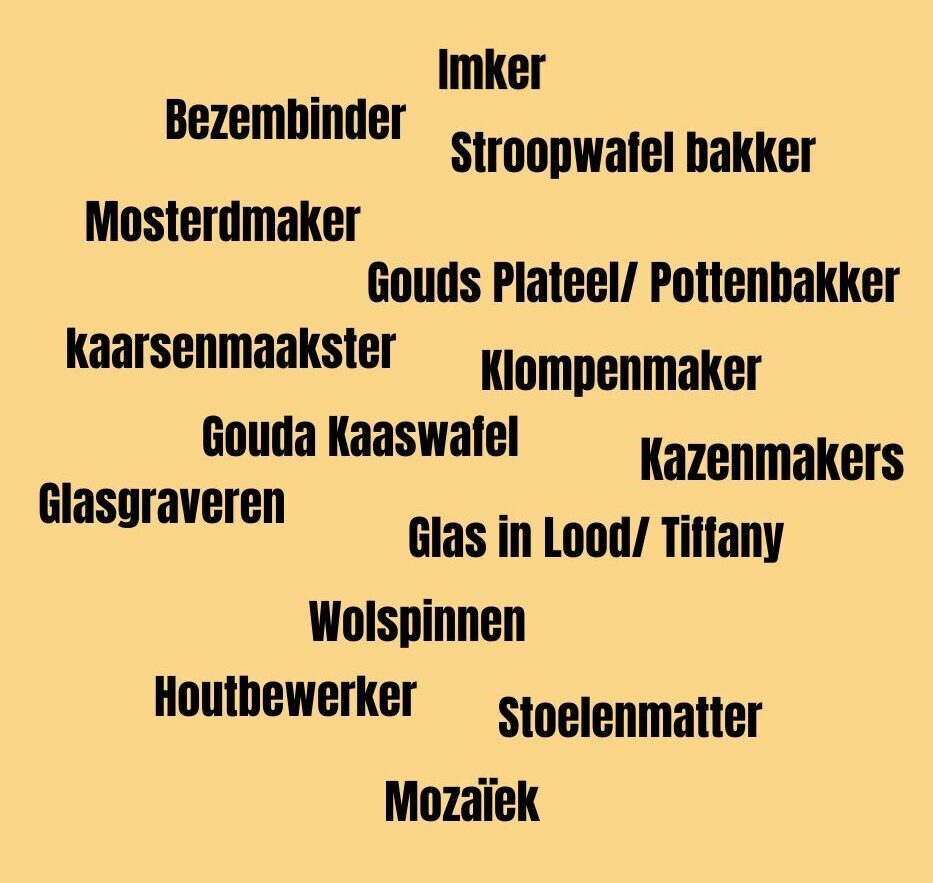
Naast de kaasmarkt komen ook oude ambachten tot leven. Het is belangrijk dat deze traditionele ambachten blijven bestaan, omdat ze onderdeel zijn van de geschiedenis en het culturele erfgoed van Gouda. Vakmensen laten hun technieken zien en geven bezoekers de kans om deze bijzondere tradities van dichtbij te ontdekken. Zo blijven oude ambachten zichtbaar en wordt de geschiedenis van Gouda doorgegeven aan nieuwe generaties.